21 chores for 11-year-olds: indoor, outdoor, and helper tasks
Share

Hey, $mart parents 💡
Bring money lessons home with Greenlight’s $mart Parent newsletter, a quick read with impactful tips — delivered free to your inbox weekly.
Key takeaways
By 11, most kids can handle a multi-step chore without being walked through it. They're ready to own a task from start to finish, indoors and out.
Below are 21 age-appropriate chores that fit an 11-year-old, with how often to do each one and a tip for making it stick. If your whiteboard keeps getting erased, puts the same list on a screen the whole family can see, and you can assign chores, track progress, and pay allowance from the companion app.
21 practical chores for 11-year-olds
Make the bed
Wash, fold, and put away their laundry
Clean their bedroom
Clean the bathroom
Set the table
Clear the table
Load and unload the dishwasher
Wipe counters and table
Sweep or vacuum
Take out the trash
Put away groceries
Water plants
Pull weeds
Rake leaves
Wash the car
Wash windows
Help cook meals
Pack lunch or snack
Feed and care for pets
Restock household supplies
Help with recycling
Indoor chores
1. Make the bed
What it involves: Straightening the sheets, pulling up the blanket, and arranging pillows each morning.
Why it’s helpful: It starts the day with structure and gives kids an easy win they can take pride in.
How often: Daily
Tip for parents: Focus on the routine, not perfection, even a slightly messy bed is still progress.
2. Wash, fold, and put away their laundry
What it involves: Sorting by color, running a load, folding what's clean, and putting everything in the right drawer or closet.
Why it’s helpful: It's a full cycle with a clear start and end, so they see a chore through instead of doing one piece of it.
How often: Weekly
Tip for parents: Walk them through the machine settings once, then write the settings on a card and tape it above the washer.
3. Clean their bedroom
What it involves: Picking up clutter, dusting surfaces, vacuuming or sweeping, and making sure everything is in its place.
Why it’s helpful: Reinforces ownership of their space and builds good habits for keeping it clean.
How often: Weekly
Tip for parents: Break the task into smaller parts so it doesn’t feel overwhelming.
4. Clean the bathroom
What it involves: Wiping the sink and counter, cleaning the mirror, and wiping down the outside of the toilet.
Why it’s helpful: It's a shared space they use every day and never think about, so it shows them what upkeep actually takes.
How often: Weekly
Tip for parents: Keep a caddy with kid-safe spray and cloths under the sink so the supplies are ready when they are.
5. Set the table
What it involves: Placing plates, utensils, napkins, and cups before each meal.
Why it’s helpful: Encourages participation in family routines and helps with organization skills.
How often: Daily or as needed
Tip for parents: Rotate with other meal prep tasks to keep things fair and balanced.
6. Clear the table
What it involves: Removing dishes, wiping the table, and cleaning up crumbs or spills after a meal.
Why it’s helpful: Reinforces responsibility and shows that cleanup is part of any shared activity.
How often: Daily
Tip for parents: Play music or use a timer to keep the mood light and focused.
7. Load and unload the dishwasher
What it involves: Placing dirty dishes in the dishwasher properly or putting away clean ones.
Why it’s helpful: Teaches organization, attention to detail, and responsibility in shared spaces.
How often: A few times per week
Tip for parents: Let them start with silverware and plastic items before moving to breakables.
8. Wipe counters and table
What it involves: Using a cloth or spray to clean surfaces after meals or activities.
Why it’s helpful: Builds awareness of shared spaces and cleanliness.
How often: Daily or as needed
Tip for parents: Keep safe cleaning supplies within reach so they can take initiative.
9. Sweep or vacuum
What it involves: Cleaning floors in bedrooms, kitchens, or entryways.
Why it’s helpful: Teaches attention to detail and consistency in keeping spaces clean.
How often: Weekly or more often in high-traffic areas
Tip for parents: Assign a different area each week to keep things interesting.
10. Take out the trash
What it involves: Emptying small trash cans and replacing liners.
Why it’s helpful: Builds a sense of responsibility and contributes to the household.
How often: Weekly
Tip for parents: Show them how to tie bags and where to bring them to complete the task independently.
11. Put away groceries
What it involves: Bringing in and storing groceries in the pantry, fridge, or freezer.
Why it’s helpful: Builds memory, organization, and teamwork.
How often: Weekly
Tip for parents: Assign them to handle certain categories, like snacks or cold items, for consistency.
Outdoor chores
12. Water plants
What it involves: Using a watering can or hose to hydrate indoor or outdoor plants.
Why it’s helpful: Fosters care and attention to living things.
How often: Two to three times per week
Tip for parents: Let them take ownership of one area or type of plant to build responsibility.
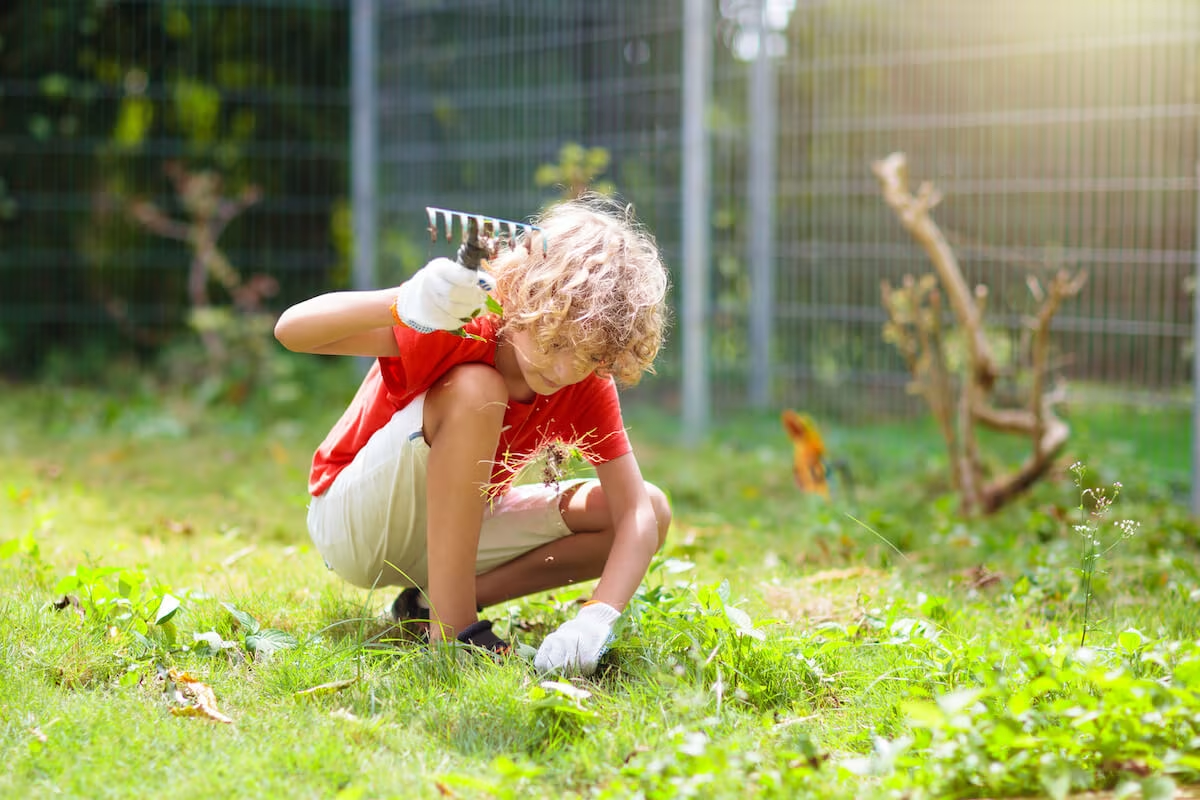
13. Pull weeds
What it involves: Identifying and removing weeds from flower beds or garden areas.
Why it’s helpful: Encourages patience, attention to detail, and pride in maintaining a space.
How often: Weekly (seasonal)
Tip for parents: Provide gloves and show them which weeds to pull so they feel confident doing it alone.
14. Rake leaves
What it involves: Gathering leaves into piles and bagging or composting them.
Why it’s helpful: Great physical activity that also teaches seasonal responsibility.
How often: Weekly in fall
Tip for parents: Make it fun, and let them jump in the piles before cleanup begins.
15. Wash the car
What it involves: Rinsing, scrubbing, and drying the family vehicle with help.
Why it’s helpful: Builds responsibility and gives a satisfying before-and-after payoff.
How often: Monthly
Tip for parents: Focus on lower sections and give clear instructions to keep it safe and fun.
16. Wash windows
What it involves: Cleaning smudges and dirt from interior or ground-level exterior windows.
Why it’s helpful: Reinforces attention to detail and adds to household care.
How often: Monthly
Tip for parents: Start with one or two windows and expand over time to avoid fatigue.
Life skills & helper tasks
17. Help cook meals
What it involves: Prepping ingredients, following simple steps, and learning basic kitchen safety.
Why it’s helpful: Encourages independence, builds confidence, and introduces life-long skills.
How often: A few times per week
Tip for parents: Start with simple recipes and let them lead one meal a week.
18. Pack lunch or snack
What it involves: Choosing and packing foods into containers for school or activities.
Why it’s helpful: Encourages planning, independence, and making balanced choices.
How often: Daily
Tip for parents: Keep healthy options in reach and let them pick from a few set choices.
19. Feed and care for pets
What it involves: Refilling food and water, brushing, and helping with walks or cleanup.
Why it’s helpful: Builds empathy and a sense of ongoing responsibility.
How often: Daily
Tip for parents: Use a printed checklist to keep pet tasks consistent.
20. Restock household supplies
What it involves: Refilling soap, paper towels, toilet paper, and similar items around the house.
Why it’s helpful: Encourages awareness of shared needs and how to be proactive at home.
How often: Weekly
Tip for parents: Give them a simple checklist to review once a week.
21. Help with recycling
What it involves: Sorting recyclables by material and placing them in the proper bins.
Why it’s helpful: Teaches environmental responsibility and categorizing skills.
How often: Weekly
Tip for parents: Color-code bins and review what goes where until it becomes second nature.
How to manage chores for an 11-year-old
Rotating chores is the right instinct at eleven, and it's also the fastest way to lose track of who has what. Greenlight Family Hub is a shared touchscreen that holds the family calendar, chores, and lists in one place, so a rotation stays a rotation instead of an argument.
Set up an 11-year-old's chore rotation in four steps:
Give them two or three recurring chores they own outright — bedroom, pets, recycling.
Add one rotating task that changes monthly so the week doesn't get stale.
Decide the reward: allowance to their debit card, stars, or both.
Rotate between the Greenlight companion app rather than renegotiating it in person each month.
Connect chores to allowance and what your 11-year-old earns lands on their own Greenlight debit card¹. At this age, earning their own money is the motivator, and having it arrive somewhere they can spend, save, and track keeps them consistent. If you'd rather not link the two, kids can earn stars toward a reward instead, the same as a star chart on any family display.
Choosing the right chores for your 11-year-old
By 11, kids are ready to own tasks, build routines, and even troubleshoot a bit along the way. When assigning chores, think of it less as making a to-do list and more as helping your child grow life skills like planning, consistency, and follow-through. Let them step into more independence, but still offer guidance where needed.
Tips to make it work:
Let them choose two to three recurring tasks they can manage each week
Use checklists or apps like Greenlight to keep things organized and consistent
Encourage them to take full ownership from start to finish
Rotate tasks monthly to keep it engaging
Reward follow-through — not perfection — with praise or allowance
Keep the rotation on a shared display so nobody has to remember whose week it is
How to get started this week
Pick two or three age-appropriate chores your 11-year-old owns outright, add one that rotates each month, and decide whether those tasks earn allowance or stars. Then step back. The goal at this age isn't a spotless house. It's a child who notices what needs doing and handles it without being asked.
Let the hub do the reminding. Chores get done when kids can see what tasks belong to them. Assign tasks and set rewards with Family Hub.
FAQs
What chores should an 11-year-old do?
An 11-year-old can make their bed, put away laundry, clean their own bedroom, set and clear the table, load and unload the dishwasher, wipe counters, sweep or vacuum, take out the trash, sort and fold laundry, put away groceries, water plants, pull weeds, rake leaves, wash the car and windows, help cook, pack their own lunch, care for pets, restock supplies, and sort recycling.
How do you rotate chores for an 11-year-old?
Give them two or three chores they own permanently and one that rotates monthly. Keeping the rotation on a shared display like Greenlight Family Hub means nobody has to remember whose turn it is.
Should an 11-year-old earn allowance for chores?
Many families start paying by this age. With Greenlight you can tie allowance to chore progress and pay it straight to your child's debit card, or keep chores separate from money and motivate with stars instead.
What chores are too much for an 11-year-old?
Avoid roof or ladder work, power tools, harsh chemicals, and mowing without supervision. Most cooking is fine with an adult nearby.
¹The Greenlight® prepaid card is issued by Community Federal Savings Bank, member FDIC, pursuant to license by Mastercard International.
Share