20 chore ideas for 5-year-olds, plus how to make them routine
Share

Hey, $mart parents 💡
Bring money lessons home with Greenlight’s $mart Parent newsletter, a quick read with impactful tips — delivered free to your inbox weekly.
Key takeaways
Chores help kids feel responsible, confident, and included. Yes, even 5-year-olds can participate in a meaningful way. The key is keeping tasks simple, safe, and structured.
According to Dr. Lisa Pion-Berlin, ACSW, ACHT, licensed hypnotherapist and CEO of Parents Anonymous® Inc., “Tasks like putting away toys, packing their backpack or setting the table help kids build independence, self-confidence and a sense of purpose. They begin to see themselves as capable and as valued members of the family.”
Below, you’ll find a comprehensive list of 20 age-appropriate chores for 5-year-olds, pulled from expert recommendations and real-world parenting wins.
20 age-appropriate chores for 5-year-olds
Make the bed
Put dirty clothes in the hamper
Feed the pets
Match socks
Set the table
Dust baseboards or low shelves
Help empty the dishwasher
Wipe down tables
Help fold towels
Take care of books
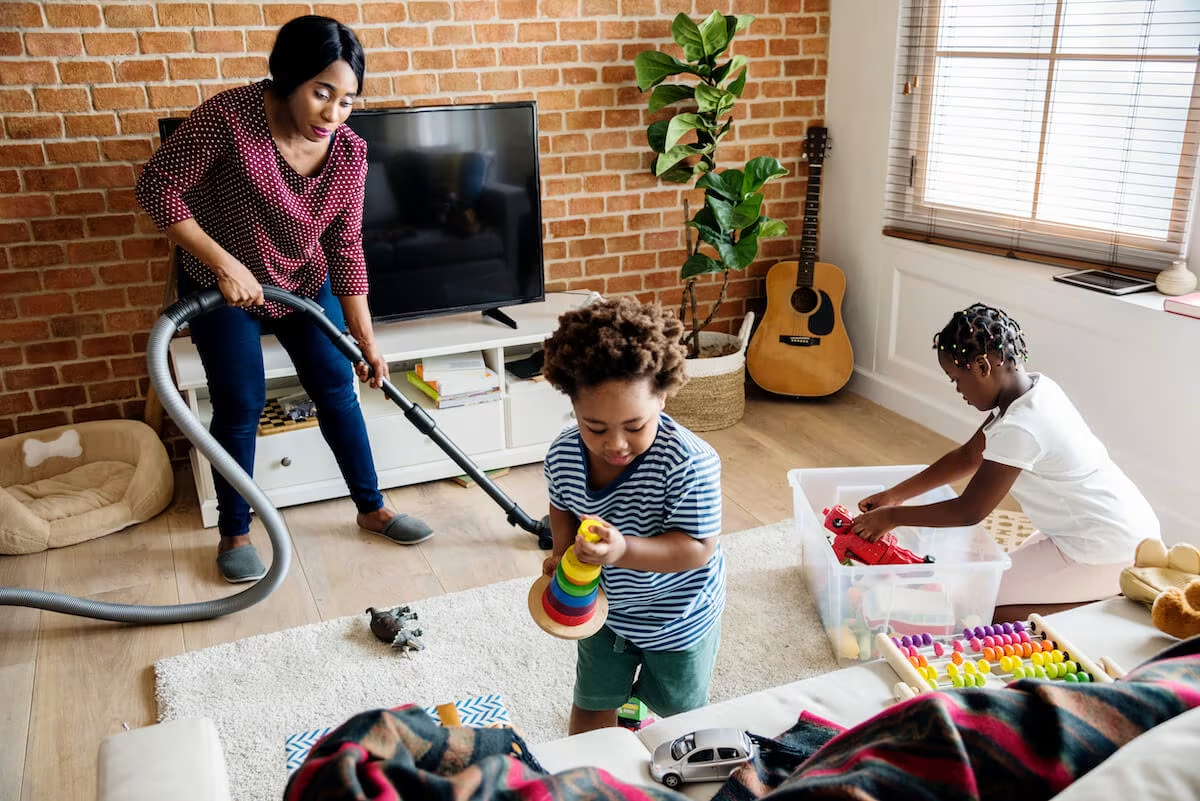
Clean up toys
Organize shoes
Help pack lunch or snack
Help bring in groceries
Water plants
Sweep with a mini broom
Pull weeds
Carry light bags
Clean windows with a water spray
Wipe down low surfaces
“For 5-year-olds, it’s best if chores are simple, manageable, and suited to that particular child. Parents know your children best, so building chores around what they naturally gravitate towards can help. Do they love to be in the kitchen? Let them help prepare a meal!” — Dr. Lisa Pion-Berlin
1. Make the bed
What it involves: Pulling up the blankets, placing pillows at the top, and straightening any stuffed animals or comfort items.
How often: Daily, as a part of a morning routine
Why it’s great for 5-year-olds: Kids see a positive result right away, and it sets the tone for taking care of their space.
Tips for parents: Keep expectations realistic. A crooked comforter is still progress! Praise the effort vs. the neatness.
2. Put dirty clothes in the hamper
What it involves: Carrying used clothes from the floor, bathroom, or bedroom to a hamper or laundry basket.
How often: Daily
Why it’s great for 5-year-olds: It reinforces that actions (wearing clothes) have consequences (and solutions).
Tips for parents: Make it easy. Use a fun, open bin they can reach, and label it with a picture or name if you have multiple kids.
3. Feed the pets
What it involves: Scooping pre-measured dry food or pouring water into bowls with supervision.
How often: Daily
Why it’s great for 5-year-olds: Caring for a pet teaches empathy, routine, and responsibility. Kids love having a “job” that matters, especially when it involves a furry friend.
Tips for parents: Prep the portion ahead of time or use a scoop with a fill line. Always supervise to make sure pets (and floors) stay safe and clean.
4. Match socks
What it involves: Sorting clean laundry to find matching sock pairs and laying them flat or folding them together.
How often: Weekly
Why it’s great for 5-year-olds: It builds early math and sorting skills, while also giving kids a sense of accomplishment.
Tips for parents: Turn it into a game: “Can you find the stripes?” “Who’s the fastest sock matcher in the house?” Bonus — fewer lost socks for you.
5. Set the table
What it involves: Placing utensils, napkins, plates, and cups at each seat before a meal.
How often: Daily or as needed
Why it’s great for 5-year-olds: It’s a great way to feel included in mealtime prep. Plus, it helps develop sequencing, memory, and fine motor skills.
Tips for parents: Use unbreakable items until they’re ready to handle breakables, and use this as a chance to talk through simple etiquette, like where a napkin goes.
6. Dust baseboards or low shelves
What it involves: Using a microfiber cloth or duster to wipe along baseboards or furniture legs gently.
How often: Weekly
Why it’s great for 5-year-olds: It gets them moving and crouching while improving coordination, and kids love the “mission” of finding dust in secret spots.
Tips for parents: No sprays needed. Just a damp cloth does the trick. Set a timer and turn it into a challenge: “Let’s see how many corners you can dust in 2 minutes!”
7. Help empty the dishwasher
What it involves: Unloading safe, lightweight items like plastic cups, plates, or kids' utensils and placing them in lower drawers.
How often: Weekly
Why it’s great for 5-year-olds: It’s a true teamwork moment — one where they feel trusted and involved in a grown-up task.
Tips for parents: Sort items by type to make it easier, and always remove knives or breakables first. For extra fun, let your child “be the sorter.”
8. Wipe down tables
What it involves: Using a damp cloth or paper towel to clean crumbs or spills after meals and crafts.
How often: Daily or as needed
Why it’s great for 5-year-olds: It’s visual and introduces accountability. Kids see the “before and after,” which can be highly motivating.
Tips for parents: Keep wipes or cloths in a low drawer for easy access. You can say, “You’re the cleanup crew today!”
9. Help fold towels
What it involves: Folding hand towels, washcloths, or pillowcases and stacking them in a basket or drawer.
How often: Weekly
Why it’s great for 5-year-olds: Folding helps improve fine motor skills and gives kids a chance to contribute to a family routine.
Tips for parents: Keep it light. The towels don’t need to be perfect. Show them how to fold and let them mimic it.
10. Take care of books
What it involves: Lining up books on a shelf or placing them in a book bin after reading.
How often: Daily
Why it’s great for 5-year-olds: Caring for books encourages respect for property and helps establish a love of reading.
Tips for parents: Designate a “reading home” where books always return. Labeling the bin or shelf with their name adds a personal touch.
11. Clean up toys
What it involves: Placing toys, blocks, or game pieces back into their bins or boxes.
How often: Daily
Why it’s great for 5-year-olds: This one’s all about responsibility. It also supports sorting and pattern recognition as kids group similar toys together.
Tips for parents: Use color-coded or labeled bins to make cleanup easier. Try giving each bin a silly name to spark fun: “Time for the dinos to go back to Dino Den!”
“One of the most powerful rewards at this age is when we praise a child’s efforts and let them know their work matters. Rather than simply praising perfection, celebrate the responsibility they demonstrated: ‘Thank you for putting your toys away. That really helped us get the room ready for dinner.’” — Dr. Lisa Pion-Berlin
12. Organize shoes
What it involves: Lining up family shoes in a row or placing them into a designated cubby or basket.
How often: Daily
Why it’s great for 5-year-olds: Encourages visual order and gives them a defined “zone” they can manage on their own.
Tips for parents: Make space kid-accessible and give them “shoe captain” status for extra motivation.
13. Help pack lunch or snack
What it involves: Choosing snacks from a list or helping put napkins, fruit, and water into a lunchbox.
How often: Daily (school days or outings)
Why it’s great for 5-year-olds: It supports independence and teaches them to think ahead about what they need each day.
Tips for parents: Prepare choices ahead so they can assemble, not decide. Try saying, “You’re the snack manager today.”
14. Help bring in groceries
What it involves: Carrying lightweight bags (like bread, cereal, or produce) from the car to the kitchen.
How often: Weekly
Why it’s great for 5-year-olds: It builds physical strength and creates a sense of shared responsibility for family needs.
Tips for parents: Assign one or two bags to start. Let them “announce” what they carried in as they unpack to give them a sense of pride in their effort.
15. Water plants
What it involves: Pouring water from a small can or cup into indoor or outdoor plants.
How often: 2–3x per week or as needed
Why it’s great for 5-year-olds: Caring for something that grows fosters patience, empathy, and consistency.
Tips for parents: Use a marked watering cup to avoid overflows. Let them choose a “plant buddy” to watch over.
16. Sweep with a child-sized broom
What it involves: Sweeping up dirt, leaves, or crumbs from hard floors or patios using a kid-sized broom.
How often: Weekly
Why it’s great for 5-year-olds: It’s a physical activity that develops balance and coordination while giving them a visible goal.
Tips for parents: Show them how to sweep into a small “target zone” like a dustpan or tape square.
17. Pull weeds
What it involves: Removing small weeds from flower beds or sidewalks with fingers or a plastic trowel.
How often: Weekly (spring/summer)
Why it’s great for 5-year-olds: It introduces gardening basics and gives them a chance to work with nature.
Tips for parents: Identify which weeds are safe to pull first. Gloves or a small bucket can help make it feel like “real” work.
18. Carry light bags
What it involves: Helping transport soft items like bread, fruit, or paper towels around the house.
How often: Weekly
Why it’s great for 5-year-olds: Carrying light loads builds confidence and encourages helpfulness.
Tips for parents: Give it a special title: “You’re on bag delivery today!” Even a quick trip to the pantry can feel important.
19. Clean windows with a water/vinegar spray
What it involves: Spraying a water/vinegar solution on a window and wiping it down with a soft cloth or towel.
How often: Monthly
Why it’s great for 5-year-olds: It’s active and satisfying. Kids love seeing the smudges disappear. It’s also great for hand-eye coordination.
Tips for parents: Don’t use toxic cleaners and stick to low-level windows and doors. Avoid having 5-year-olds stand on chairs or stools to prevent falls.
20. Wipe down low surfaces
What it involves: Cleaning stool legs, door frames, or other low-traffic surfaces with a damp cloth.
How often: Weekly
Why it’s great for 5-year-olds: It introduces the idea that cleaning isn’t just one-time, it’s part of caring for your space regularly.
Tips for parents: Make a special “cleaning kit” with safe cloths, gloves, and spray bottles labeled just for them.
Are chores appropriate for 5-year-olds?
Absolutely. At this age, most kids are eager to help and more capable than we often give them credit for. With the right mix of structure and encouragement, chores can help kids:
Build independence and self-confidence
Learn responsibility and follow-through
Develop motor, memory, and life skills
What chores are not appropriate for 5-year-olds?
To keep things safe and stress-free, avoid these chores until kids are older:
Cooking on the stove or using appliances
Taking out heavy or dirty trash
Using scissors, knives, or tools
Walking the dog unsupervised
Lifting heavy items or moving furniture
Anything that requires climbing on a ladder
How to manage chores for a 5-year-old
Twenty chores on paper is a chart. It becomes a routine for a five-year-old who can see their own list without asking you what's on it. is a shared touchscreen for the kitchen or mudroom that holds the family calendar, chores, lists, and digital photos in one place.
Each family member gets their own profile and color.
They tap a chore to check it off.
Completed chores earn allowance or stars toward a reward you set together.
You assign and adjust from the Greenlight app; they don't need a phone.
If you want chores to earn real money, connect them to an allowance. What your child earns lands on their own Greenlight debit card¹, so earning, saving, and spending stay in one place instead of a jar you have to remember to fill. Prefer to keep money out of it? Stars alone are enough motivation at five, and they work the same way a star chart on a family display does.
“When children complete their chores, parents can give them rewards like praise, stickers, extra reading time, or a chance to choose a family game…it is essential that children also learn that helping in the house is an essential family duty and not only a way to get rewarded.” — Subha Shahbaz, psychologist and founder of SelfLoveMom.com
Make chores fun for younger kids
Chores don’t have to feel like, well, chores. Try these playful ideas:
Add music or a chore dance party
Use sticker charts for visual motivation
Set a timer for clean-up races
Turn tasks into games (sock match challenge, toy hunt)
Link allowance to effort with a family-friendly app
When you invite your 5-year-old to help out at home, you’re teaching independence, responsibility, and even early financial literacy. It’s a win-win for busy families and growing kids alike.
Make chores part of the day. Chores, schedules, and lists live on one shared display with . Get help assigning tasks, scheduling events, setting rewards, paying allowance, and giving your child a meaningful path to independence.
FAQs
What chores can a 5-year-old do?
A 5-year-old can make their bed, put clothes in the hamper, feed pets, match socks, set and wipe the table, dust low shelves, help empty the dishwasher, fold towels, tidy toys and books, organize shoes, water plants, sweep with a mini broom, and carry light grocery bags.
How many chores should a 5-year-old have per day?
Three daily chores plus one weekly task is a realistic load. Keep each one under five minutes and tie it to a routine that already exists, like breakfast or bedtime.
How do you track chores for a 5-year-old without a phone?
Use a shared display. Greenlight Family Hub is a touchscreen for the kitchen or mudroom where each child has their own color and profile — your five-year-old taps their chore to check it off and earns stars toward a reward, while you assign and adjust from the companion app on your phone.
Should you pay a 5-year-old for chores?
Some families do, some don't. With Greenlight you can tie allowance to chore progress, pay only when everything is done, or keep chores and allowance completely separate.
¹The Greenlight® prepaid card is issued by Community Federal Savings Bank, member FDIC, pursuant to license by Mastercard International.
The Greenlight Family Hub requires WiFi connectivity and is available for use with all Greenlight plans. Some features require a subscription. See Terms for more details.
Share