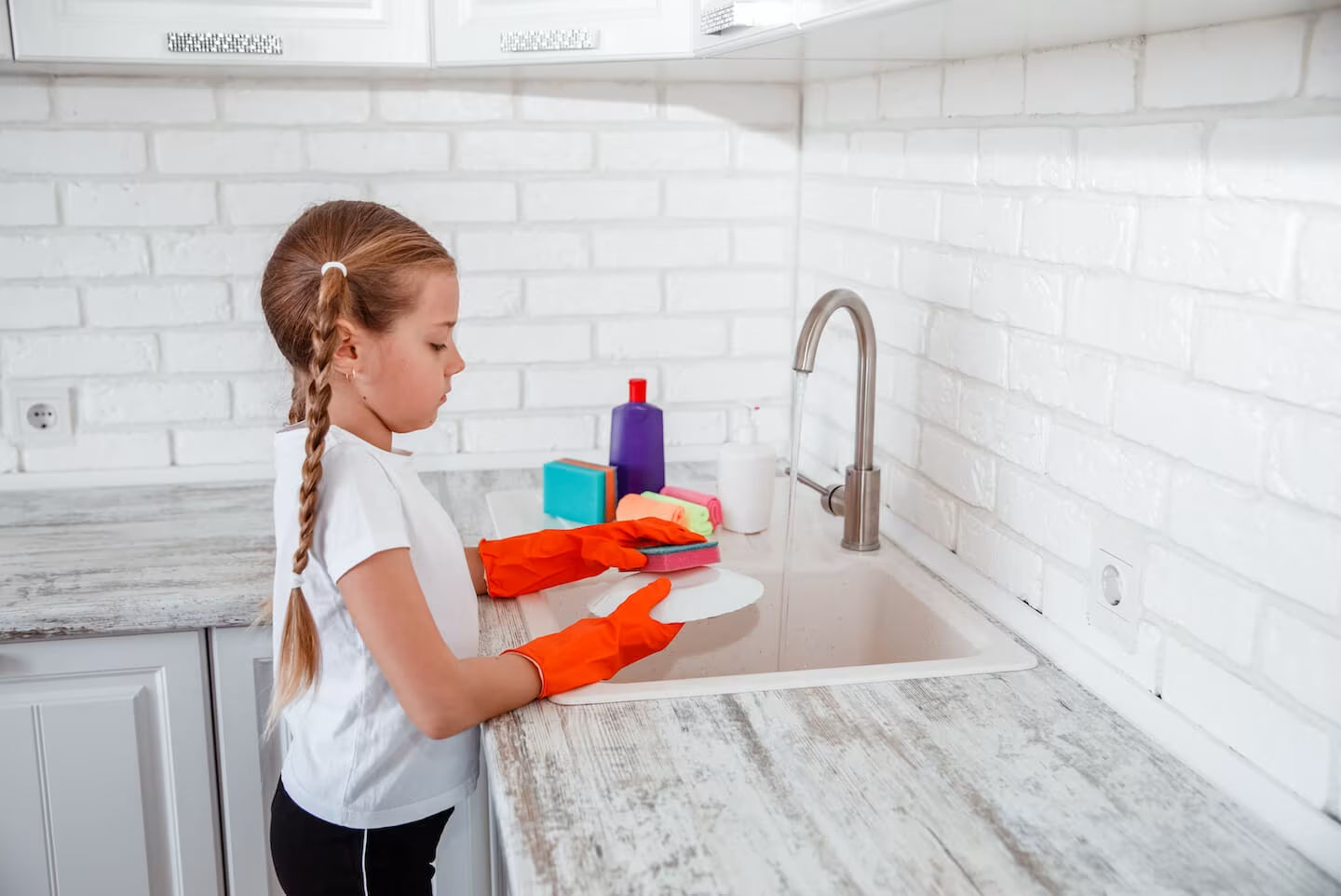
23 chores for 7-year-olds: task ideas, routines, and allowance
Share

Hey, $mart parents 💡
Bring money lessons home with Greenlight’s $mart Parent newsletter, a quick read with impactful tips — delivered free to your inbox weekly.
Key takeaways
Seven is a good age to take ownership of some household chores. Children this age can follow a few steps on their own and remember a routine, and they like the proof that they did something useful.
Below are 23 chores for 7-year-olds, sorted into categories, including what each one involves, how often it's needed, and tips to make it stick. You can mix and match based on your child's maturity and what's realistic for your home.
Here's a quick preview of the chores, covered in further detail below:
Make the bed
Put away clothes
Set the table
Clear the table
Empty the dishwasher
Organize toys or books
Laundry basics
Match and fold socks
Wipe down counters
Dust furniture or shelves
Mop small areas
Empty small trash cans
Water plants
Pull weeds
Rake leaves
Wash the car (with help)
Pack lunch or snack
Help carry in groceries
Put away groceries
Feed the pets
Clean up after dinner
Take out garbage
Vacuum small areas
Tracking is the part that can be hard to keep up with. An app like Greenlight lets you assign chores, pay allowance automatically, and let kids see what they've earned. If you want your family to have access to the chore schedule on the wall in addition to or rather than in an app, puts it on a shared screen the whole family can see.
Indoor chores
These are the basic responsibilities children can practice inside every day and make part of their normal routine.
1. Make the bed
What it involves: Straightening the blanket, fluffing pillows, and placing comfort items like stuffed animals where they belong.
How often: Daily
Why it's great for 7-year-olds: Helps build independence and a sense of daily routine. Plus, they get to see a finished result every time.
Tips for parents: Focus on effort, not perfection. Let them take the lead and add their personal flair.
2. Put away clothes
What it involves: Folding or hanging up clean clothes and placing them in the right drawers or closet sections.
How often: Weekly
Why it's great for 7-year-olds: Reinforces organization, spatial awareness, and follow-through.
Tips for parents: Use labeled drawers and offer praise for completing small batches.
3. Set the table
What it involves: Placing napkins, forks, plates, and cups at each seat before meals.
How often: Daily or as needed
Why it's great for 7-year-olds: Builds sequencing skills and makes kids feel like they're contributing and participating.
Tips for parents: Teach a simple setup process and give room for creativity — napkin folding, centerpieces, etc.
4. Clear the table
What it involves: Bringing used dishes to the sink or dishwasher and wiping down the table.
How often: Daily
Why it's great for 7-year-olds: Encourages responsibility and shows that cleanup is an important part of every meal.
Tips for parents: Make it a team activity. Praise quick, complete follow-through.
5. Empty the dishwasher
What it involves: Putting away dishes and utensils. Focus on non-breakables and safe items.
How often: Weekly
Why it's great for 7-year-olds: Encourages sorting and multi-step thinking.
Tips for parents: Start with just utensils or cups. Use sorting trays or bins to keep it simple.
6. Organize toys or books
What it involves: Returning items to bins, shelves, or drawers while organizing them accordingly.
How often: Daily
Why it's great for 7-year-olds: Reinforces the value of tidiness and personal responsibility.
Tips for parents: Label storage with icons or colors, and make it a race or matching game.
7. Laundry basics
What it involves: Sorting lights and darks, loading or helping transfer clothes between machines.
How often: Weekly
Why it's great for 7-year-olds: Builds life skills and offers a sense of control over their belongings.
Tips for parents: Assign a “laundry day” and let them press buttons or scoop detergent (with help).
8. Match and fold socks
What it involves: Finding sock pairs and folding or rolling them together.
How often: Weekly
Why it's great for 7-year-olds: Develops pattern recognition and patience.
Tips for parents: Make it a timed challenge or let them sort by color/family member.
Cleaning chores
These simple tasks teach kids how to keep shared spaces tidy and be a contributing member of the household.
9. Wipe down counters
What it involves: Using a damp cloth to clean surfaces after meals or messes.
How often: Daily or as needed
Why it's great for 7-year-olds: Teaches attention to detail and taking care of shared spaces.
Tips for parents: Use water or kid-safe cleaners and show a “sweep and fold” motion for coverage.
10. Dust furniture or shelves
What it involves: Wiping down low or easy-to-reach surfaces with a cloth or duster.
How often: Weekly
Why it's great for 7-year-olds: Builds observation skills and encourages consistent upkeep.
Tips for parents: Assign a “dust patrol” role and use a checklist for satisfaction.
11. Mop small areas
What it involves: Using a child-sized mop or Swiffer to clean up small spills or rooms.
How often: Weekly or biweekly
Why it's great for 7-year-olds: Teaches motor control and how to manage small messes independently.
Tips for parents: Stick to water and limit to low-traffic areas.
12. Empty small trash cans
What it involves: Taking out trash from bathrooms or bedrooms and replacing liners.
How often: Weekly
Why it's great for 7-year-olds: Encourages responsibility for cleanliness and follow-through.
Tips for parents: Use light, manageable bags and guide them through tying or carrying.
Outdoor and seasonal chores
Great for active kids who love a hands-on role outdoors.
13. Water plants
What it involves: Using a small watering can or cup to hydrate indoor or outdoor plants.
How often: 2 to 3 times per week
Why it's great for 7-year-olds: Teaches care, observation, and consistency.
Tips for parents: Assign a “plant pal” or garden section as their own to maintain.
14. Pull weeds
What it involves: Gently removing weeds from flower beds, pots, or walkways.
How often: Weekly (seasonal)
Why it's great for 7-year-olds: Builds patience and attention to detail outdoors.
Tips for parents: Show them safe weeds to pull. Use gloves and a bucket for easy cleanup.
15. Rake leaves
What it involves: Gathering leaves into piles using a child-sized rake.
How often: Weekly in the fall
Why it's great for 7-year-olds: Offers satisfying physical activity and supports teamwork.
Tips for parents: Let them jump in afterward for an instant reward and memory-maker.
16. Wash the car (with help)
What it involves: Spraying, soaping, and rinsing with a sponge and hose (with supervision).
How often: Monthly
Why it's great for 7-year-olds: It's active, fun, and introduces real-world responsibility.
Tips for parents: Keep it to lower sections and avoid harsh soaps. Bring extra towels.
Everyday helper tasks
These are teachable moments that help kids build real-life skills and independence.
17. Pack lunch or snack
What it involves: Selecting and packing food into containers or lunchboxes with supervision.
How often: Daily (school days)
Why it's great for 7-year-olds: Builds independence, planning, and healthy food choices.
Tips for parents: Pre-portion options and give them a “menu” to choose from.
18. Help carry in groceries
What it involves: Bringing in light bags (bread, paper towels, snack boxes) from the car.
How often: Weekly
Why it's great for 7-year-olds: Offers a sense of usefulness and teamwork.
Tips for parents: Assign them a title like “Pantry Patrol” or “Snack Specialist” for extra buy-in.
19. Put away groceries
What it involves: Sorting and storing food into the fridge, pantry, or cupboards.
How often: Weekly
Why it's great for 7-year-olds: Reinforces sorting, memory, and organizing skills.
Tips for parents: Break it into zones (fridge vs. pantry) to avoid causing overwhelm.
20. Feed the pets
What it involves: Pouring pre-measured food or water into bowls with supervision.
How often: Daily
Why it's great for 7-year-olds: Teaches empathy, routine, and gentle care.
Tips for parents: Use measuring scoops and give gentle reminders at first.
21. Clean up after dinner
What it involves: Clearing dishes, wiping tables, and helping with light dishwasher loading.
How often: Daily
Why it's great for 7-year-olds: Builds a habit of follow-through after meals.
Tips for parents: Use a “cleanup playlist” and celebrate teamwork.
22. Take out garbage
What it involves: Carrying kitchen trash to the outdoor bin with guidance.
How often: Weekly
Why it's great for 7-year-olds: Reinforces responsibility and handling things safely.
Tips for parents: Guide them on how to tie bags and use handles or wheels.
23. Vacuum small areas
What it involves: Using a lightweight vacuum to clean bedrooms, rugs, or living room spots.
How often: Weekly
Why it's great for 7-year-olds: Strengthens focus, coordination, and motor control.
Tips for parents: Carpeted areas are easiest. Start small and grow their zone over time.
How to manage chores for a 7-year-old on the Greenlight Family Hub
By age seven, most kids can read their own list and work through it in order, but they need a place to find that information. Greenlight Family Hub is a shared touchscreen for the kitchen that holds the family calendar, chores, and lists together, so a 7-year-old can check what's theirs without asking.
How it works: They do the work, check it off their chore list, and watch their savings go up. This is the loop that keeps a 7-year-old consistent. If you'd rather not tie chores to money, the Family Hub has a star reward system that keeps kids motivated.
Set up a 7-year-old's chore routine in four steps
How you set up a chore routine depends on your child and what they're capable of, but these steps will get you started.
Give them a mix of two daily indoor chores, one weekly cleaning chore, and one seasonal outdoor one.
Let them pick two of the four chores they'll be doing. Having some choice is what makes a seven-year-old stick with it.
Decide whether the reward is allowance to their debit card, stars, or both.
Reassign or rotate anything that goes stale from the Greenlight companion app on your phone.
Tips to help your 7-year-old stay on top of chores
Let them choose from a list of two to three daily or weekly tasks
Use sticker charts or apps to track progress
Set a timer to keep chores short and focused
Add music or a podcast to make it more fun
Praise effort over perfection
Rotate chores to avoid burnout and boredom
Consider small rewards like screen time or allowance
Keep the list on a shared display so checking it is their habit, not your reminder
How much should I pay my 7-year-old for chores?
While every family is different, many parents give between $4 and $7 per week in allowance for a 7-year-old's chores. Some tie allowance payment to specific tasks, while others use a base allowance with bonus opportunities.
Paid through Greenlight, that allowance lands on your child's own debit card instead of in a jar. They can watch it add up and stay motivated, and you can see where the money goes.
Turn chores into life lessons
The chore matters less than the habit around it: finishing what you started, doing it without being asked, and seeing effort turn into something you earned.
That last part is where money comes in. When a chore pays, a 7-year-old gets a first look at the tradeoff between spending now and saving for something bigger. tracks the chores, pays out allowance automatically, and gives kids somewhere to save and invest what they earn, with your approval on every move.
Let the hub do the reminding. Chores get done when kids can see what tasks belong to them. Assign tasks and set rewards with Family Hub.
FAQ
What chores should a 7-year-old do?
A 7-year-old can handle personal tasks like making their bed, putting away clothes, and packing their own lunch. In the kitchen, they can set and clear the table, empty the dishwasher, wipe counters, and put away groceries. Basic cleaning is within reach too: dusting, mopping small areas, vacuuming, emptying small trash cans, and taking out the garbage. Round it out with laundry basics and outdoor or pet care, like watering plants, pulling weeds, raking leaves, and feeding pets.
How much allowance should a 7-year-old get for chores?
Many families pay between $4 and $7 per week at this age. Some tie the full amount to completed chores, while others pay a base allowance with bonuses for extra tasks.
How do you keep a 7-year-old consistent with chores?
Make the list visible and the reward immediate. On Greenlight Family Hub, chores sit on a shared touchscreen the whole family can see, and your child taps to check each one off. Connect chores to allowance and the money lands on their Greenlight debit card, or use stars if you'd rather not involve money.
Should chores be tied to allowance?
Both approaches work. Greenlight lets you pay a percentage based on chore progress, pay only when everything is done, or keep chores and allowance completely separate and motivate with stars instead.
¹The Greenlight® prepaid card is issued by Community Federal Savings Bank, member FDIC, pursuant to license by Mastercard International.
Share